Custom vs Stock Chocolate Molds
Which Is Right for You?
Micelli Chocolate Molds
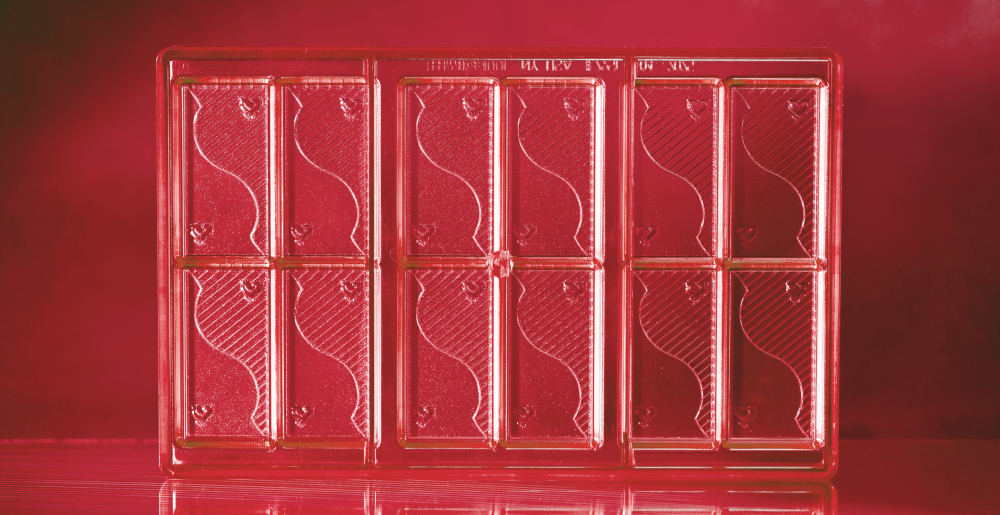
If you're building a chocolate brand, there's a good chance you've asked yourself this question at some point: do I need a custom mold, or can a stock mold do the job for now?
It's a more important decision than it might seem. Your mold shapes your product, your branding, and your production timeline — and the "right" answer depends less on what looks most impressive and more on where your brand actually is right now. Here's how to think through it.
What Stock Molds Are Built For
Stock molds are standard, premade mold designs, ready to order without any customization. They're built to professional standards — the same injection molded polycarbonate quality Micelli uses across its product line — just in common shapes and sizes rather than a design unique to your brand.
Stock molds are the right call when you need:
• Speed. No design process, no engineering review — just a professional mold, with little wait time.
• A lower upfront investment. You get production-grade quality without the cost of custom tooling.
• Flexibility for testing. If you're still validating a recipe, a format, or a market, a stock mold lets you get product into production without committing to a shape before you're ready.
Stock molds are a smart starting point for new brands, early-stage product development, or small test runs — not a compromise, but a deliberate choice that matches where your production actually is.
What Custom Molds Are Built For
Custom molds are designed around your brand: your logo, your shapes, your bar weights, your wrapper and retail presentation. Instead of starting from a premade design, you work with a mold partner through 3D modeling, prototyping, and engineering review to create something that's entirely yours.
Custom molds make sense when:
• Your brand identity needs to show up in the product itself. A logo, a signature shape, or a distinctive engraving pattern is part of how customers recognize you.
• You're ready to commit to a defined product line. Custom tooling is an investment in a format you plan to produce repeatedly.
• Differentiation matters at the shelf or in the unboxing experience. A one-of-a-kind mold shape is difficult for competitors to replicate.
A custom mold turns your chocolate bar into a branded product experience, not just a confection — but it's an investment that pays off when your brand and production plans are ready to support it.
The Middle Path: Semi-Custom Molds
Between full-custom and stock, there's a third option worth knowing about: semi-custom molds. These use an existing, pre-engineered mold structure with your specific branding, engraving, or logo added to it.
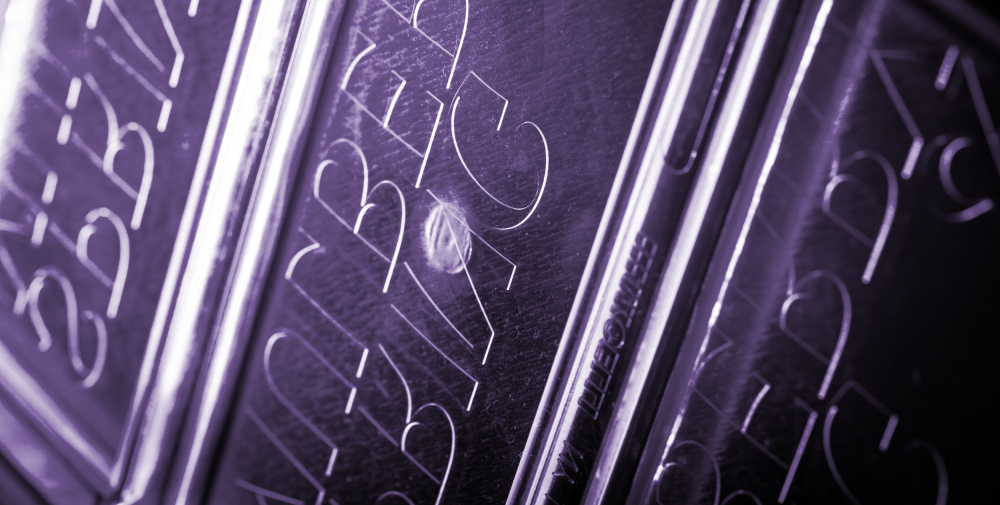
Semi-custom molds give you:
• A more accessible path to a branded mold than a fully custom build
• A faster timeline and more budget-conscious process than full custom development
• A professional, branded result without the complexity of designing a mold shape from scratch
If you want your logo or brand mark on your chocolate without the cost or lead time of full customization, semi-custom is often the best-kept secret in this decision.
How to Decide Which Mold Fits Your Brand
There's no universal right answer here — only the right answer for your production stage. A few questions worth asking yourself:
Where are you in your product development? If you're still testing recipes, formats, or markets, a stock mold keeps you flexible. If you've landed on a product you're ready to scale, custom or semi-custom tooling starts to make more sense.
How much does brand differentiation matter right now? Early-stage brands sometimes get more value from investing in packaging and labeling first, and letting the mold catch up later. Established brands competing on shelf presence often find a custom shape pays for itself.
What's your timeline and budget? Stock molds get you into production fastest and at the lowest upfront cost. Semi-custom splits the difference. Fully custom takes longer and costs more upfront, but it's building a long-term production asset, not a one-time purchase.
How often will you use this mold? A mold you'll run for years of repeated production is a different investment than one you need for a single seasonal run or a short-term test.
You're Not Locked Into One Path
One of the most common misconceptions is that this decision is permanent. It isn't. Plenty of brands start with a stock mold to get into the market, move to semi-custom once their branding is set, and invest in a fully custom mold once their production volume justifies it.
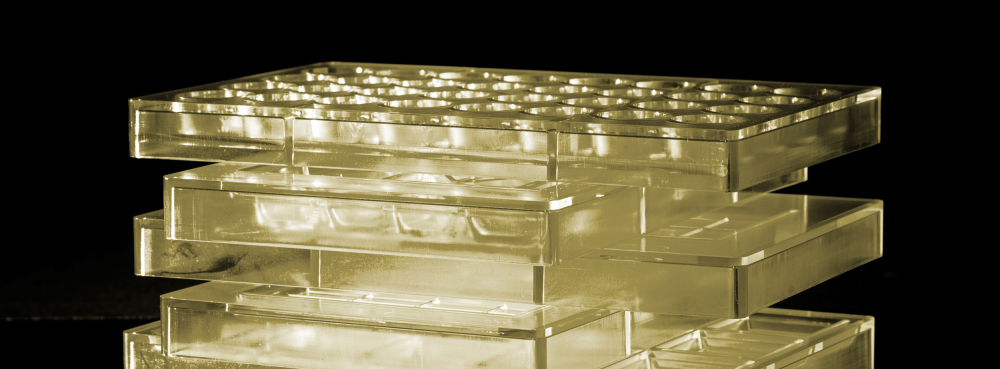
The goal isn't to pick the "best" mold in the abstract — it's to pick the mold that matches where your brand is today, with the understanding that you can grow into something more custom as your production scales.
Micelli's Approach: A Mold Strategy for Every Stage
Micelli Chocolate Molds has been designing and manufacturing precision injection molded molds since 1947, for brands at every stage — from first-time chocolatiers choosing their first stock mold to established brands investing in fully custom tooling. Whether you need a professional mold off the shelf, a semi-custom option with your branding, or a fully custom design built around your product, every Micelli mold is built on the same standard of precision injection molded polycarbonate quality.
A mold decision shouldn't feel like guesswork. It should feel like a conversation about where your brand is, and where it's headed next.
Ready to Choose the Right Mold for Your Brand?
Whether you're just getting started or ready to invest in a fully custom design, a Micelli product specialist can help you figure out which option — stock, semi-custom, or full-custom — fits your production stage, budget, and brand goals.